43 genetic engineering on food labels
About GMO Foods | Just Label It "Genetically Engineered Foods", "Genetically modified organisms," or GMOs, are organisms that have been created through application of transgenic, gene-splicing techniques that are part of biotechnology. These transgenic methods for moving genes around are also called "genetic engineering," or GE. Completely meaningless 'partially produced with genetic engineering ... GMO Labels Won't Make Your Food Safer Soon you will see the words "partially produced with genetic engineering" in the fine print on many food packages. Activist groups have spent millions of dollars fighting for that tiny text, and food companies have spent millions fighting back. And none of that effort had anything to do with your health.
How GMOs Are Regulated in the United States | FDA - Food and Drug ... Three federal agencies within the U.S. government work together to regulate most GMOs. "GMO" (genetically modified organism) has become the common term consumers and popular media use to ...
Genetic engineering on food labels
Mandatory labels can improve attitudes toward genetically engineered food toward genetic engineering. This research aims to help resolve this issue using a data set containing more than ... labels is that they might signal that GE food is unsafe or harmful to the environment (14-21). An opposing view suggests that labels may give consumers a sense of control or improve trust, lowering perceived risk of GE food (22 ... Genetic Engineering Has No Place In "Natural" Foods - Just Label It Genetic Engineering Has No Place In "Natural" Foods. By: Libby Foley and Tina Sigurdson (Stabile Law) Supermarket shelves are loaded with products that display the label "natural." The food industry likes to use the word to persuade consumers that what they're buying is somehow better for them, their families and the environment. Labeling of Genetically Modified Foods - 9.371 - Extension Mandatory labeling of genetically modified (GM) foods has been proposed under a variety of initiatives at national and state levels but has not yet been implemented in the United States. Current U.S. law mandates food labeling when there is a substantial difference in the nutritional or safety characteristics of a new food.
Genetic engineering on food labels. Genetically Engineered Food Labels, Information or Warning to Consumers ... Abstract Since 1999, one of the major issues surrounding genetically engineered foods is a concern about mandatory food labeling. This study investigated framing effects of genetically engineered food labeling on consumers' attitudes and purchase intentions toward genetically engineered food products. With bioengineered food labels showing up in stores, here's what you ... While "genetic engineering" is the term typically used by scientists, you will start seeing the "bioengineered" label on some of the GMO foods we eat in the United States. … Humans have used... USDA Genetic Engineered Food Label Misleads Consumers, Took Effect ... require all foods produced with genetic engineering — including highly processed oils and sugars — to be labeled include new and future methods of genetic engineering, such as CRISPR ensure harmonization with the European Union by requiring disclosure if unintended GE contamination exceeds the current level of detection Guidance: Voluntary Labeling Food from Genetically Engineered Plants This guidance addresses the voluntary labeling of plant-derived foods with information concerning whether the food was or was not produced using genetic engineering. Some consumers are interested...
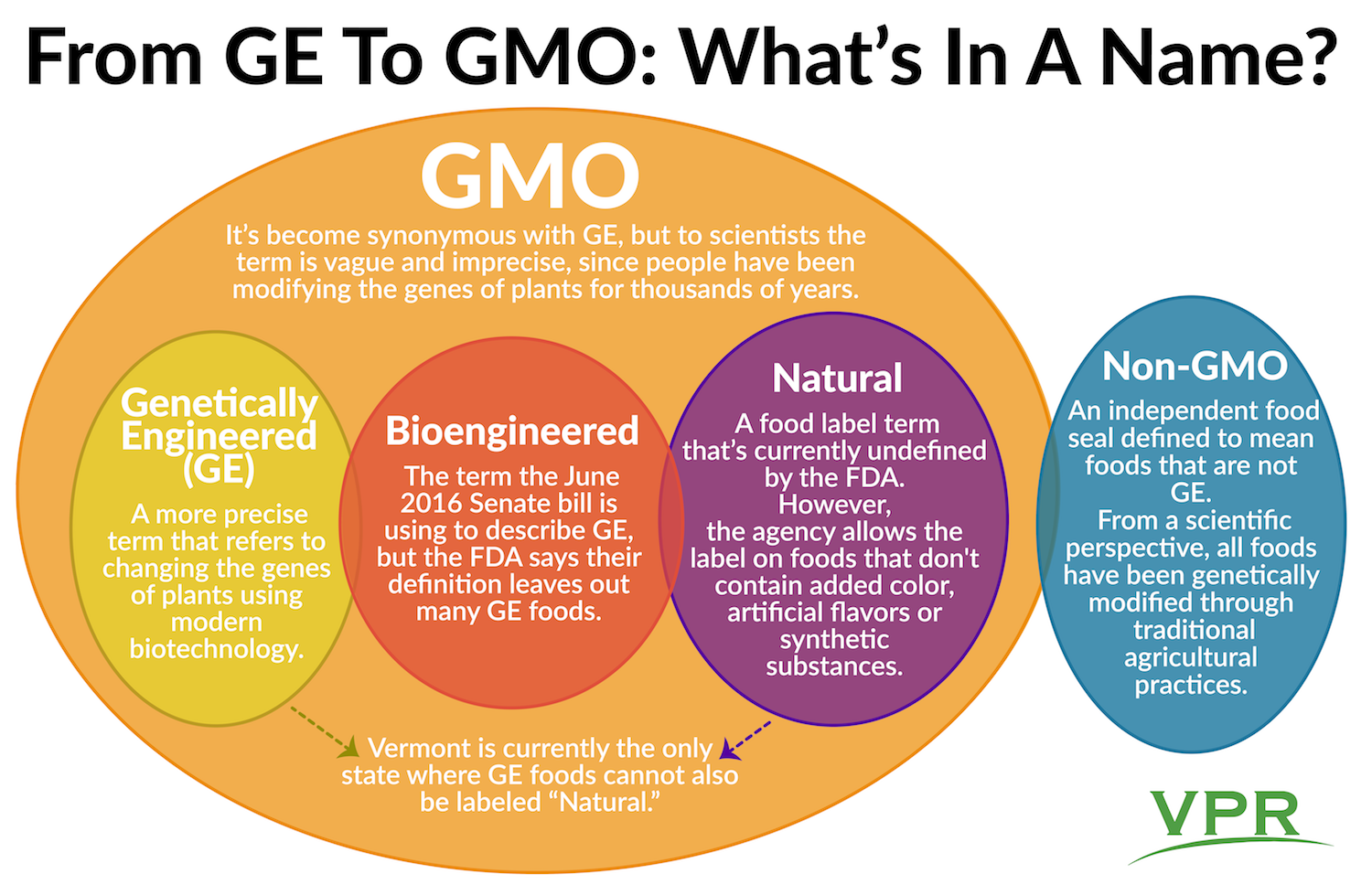
GMO, GE, Bioengineered...What Do All These Food Labels Mean? However, here's where it gets confusing: The Non-GMO Project is a nonprofit organization that will test and verify that food manufacturers' products contain less than 0.9 percent of genetically engineered ingredients. That's right. The label says "Non-GMO," but the definition refers to genetic engineering. What Are GMOs and Genetic Engineering in Agriculture? - FoodPrint Genetically engineered (GE) or genetically modified (GM) foods are produced from plants and animals that have had changes made to their DNA, which introduce or modify genetic traits. Most packaged foods contain genetically modified organisms (GMOs) engineered to be resistant to herbicides and pests; corn, soybeans and canola oil are prime examples. Food Labels 101 -- Organic, Gmo, and Non-gmo | Amway United States A Non-GMO label means that a food and its ingredients have been produced without the use of genetic engineering, and that herbicides that contain GMOs have not been used. Non-GMO does not mean a food is organic, or that it has been produced according to certified organic standards. Viewpoint: Let's stop the fear mongering in food labeling B etween his former and current terms as U.S. Secretary of Agriculture, Tom Vilsack in a 2019 opinion piece called for a stop to fear mongering in food labeling. As the sub-headline stated, "We ...
How consumers use mandatory genetic engineering (GE) labels: evidence ... Food labels legislated by the U.S. government have been designed to provide information to consumers. It has been asserted that the simple disclosures "produced using genetic engineering" on newly legislated U.S. food labels will send a signal that influences individual preferences rather than providing information. Vermont is the only US state to have experienced mandatory labeling of ... GMO Food Labels Are Coming But The Word Will Be ... - Lifehacker By 2020, many foods produced with genetic engineering will have to say so on their labels. Earlier this month, the USDA announced their proposal for the rules and accompanying logos, which ... Science and History of GMOs and Other Food Modification Processes 2016: Congress passes a law requiring labeling for some foods produced through genetic engineering and uses the term "bioengineered," which will start to appear on some foods. 2017: GMO apples ... 2.3 Understanding Food Labels - FON135 Sustainable Cooking ... - Maricopa Other Food Labels . Genetically Modified Organisms (GMOs) 4. GMO's refer to plants, seeds, or animals that have had DNA, or genetic material, modified by genetic engineering. The FDA, USDA, and EPA (Environmental Protection Agency) regulate most GMO products to ensure their safety. Organic standards do not allow for the use of GMOs.
GMO, GE, Bioengineered...What Do All These Food Labels Mean? | Vermont Public Radio
GMO Foods Will Be Labeled 'Bioengineered' - Verywell Health Studies have shown that genetically engineered foods are just as safe to consume as foods that have not been genetically engineered. If you decide to avoid genetically engineered foods, keep an eye out for these new labels on grocery store shelves. But remember, certain foods and producers are exempt from using the new bioengineered labels.
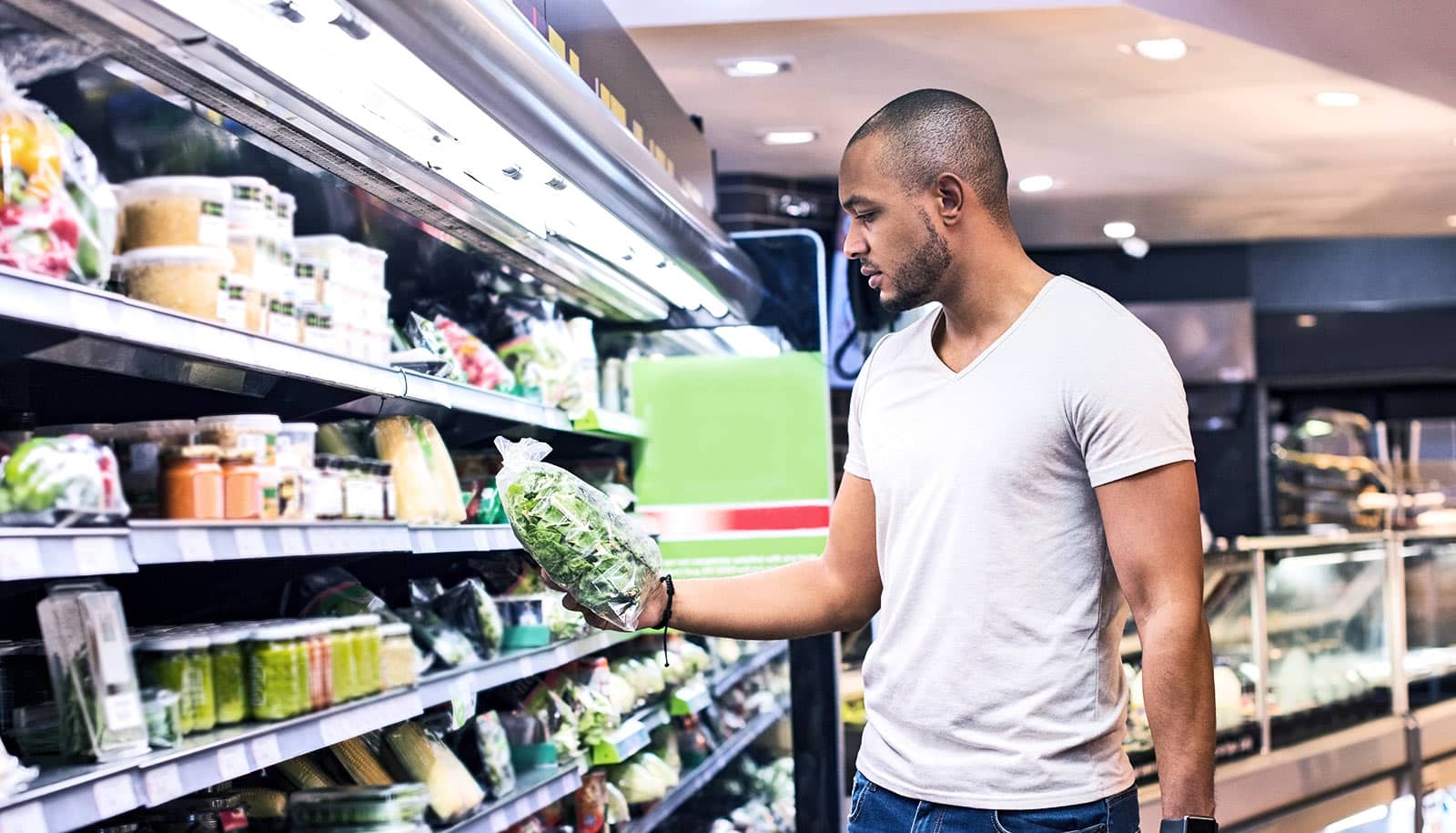
Labels made Vermonters warm up to GM food - Futurity
GMO food labels are meaningless - Los Angeles Times In reality, there is no clear-cut category of GMO food, but Vermont's law mandates "produced with genetic engineering" labels when certain modification techniques have been used on crop plants:...

Top Reasons for Labeling of Genetically Engineered Foods | Nutrition labels
Labeling of Genetically Modified Foods - 9.371 - Extension Mandatory labeling of genetically modified (GM) foods has been proposed under a variety of initiatives at national and state levels but has not yet been implemented in the United States. Current U.S. law mandates food labeling when there is a substantial difference in the nutritional or safety characteristics of a new food.
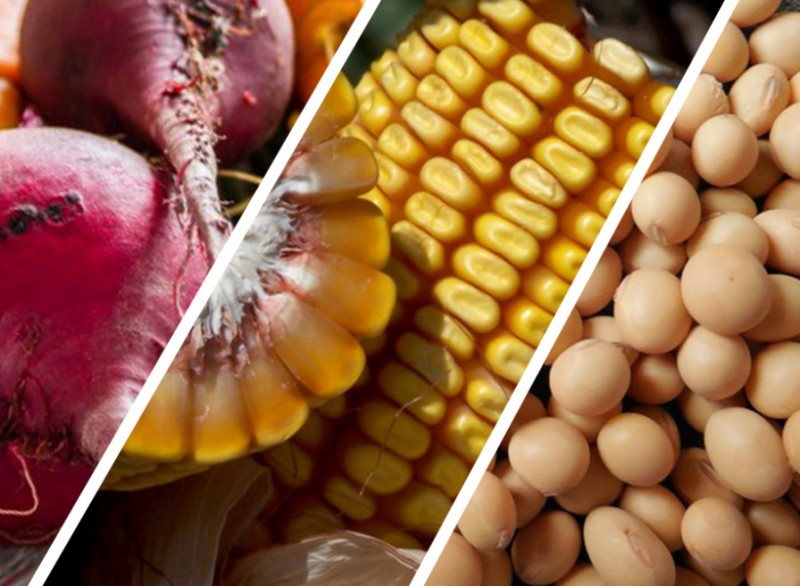
4 Things You Need to Know About GMOs | Kansas Farm Food Connection | Eating Healthy From Farm To ...
Genetic Engineering Has No Place In "Natural" Foods - Just Label It Genetic Engineering Has No Place In "Natural" Foods. By: Libby Foley and Tina Sigurdson (Stabile Law) Supermarket shelves are loaded with products that display the label "natural." The food industry likes to use the word to persuade consumers that what they're buying is somehow better for them, their families and the environment.

Labeling Genetically Modified Foods | Connect Extension
Mandatory labels can improve attitudes toward genetically engineered food toward genetic engineering. This research aims to help resolve this issue using a data set containing more than ... labels is that they might signal that GE food is unsafe or harmful to the environment (14-21). An opposing view suggests that labels may give consumers a sense of control or improve trust, lowering perceived risk of GE food (22 ...
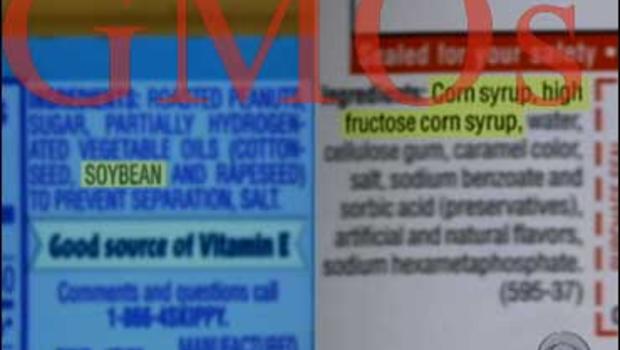
Figuring Out What's In Your Food - CBS News
Labeling Genetically Modified Food: The Philosophical and Legal Debate - Google Books

Polyland - Topics

GENETICALLY MODIFIED FOODS by hani1999
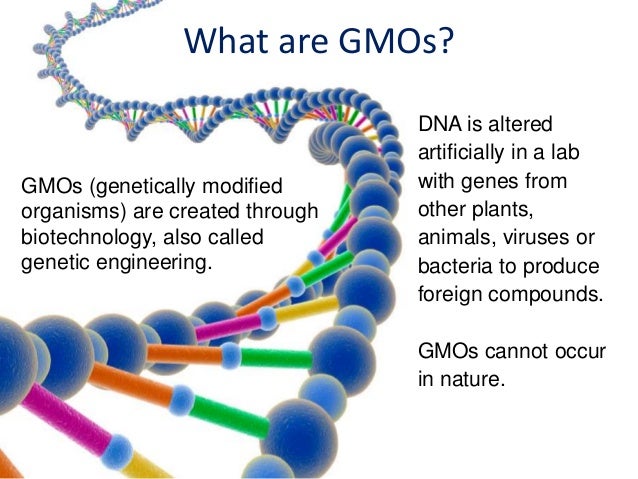
GMO Food and I-522 Labeling

Controversy in Food?: GMO Cartoons....

Genetically Modified Food Labeling Through the Lens of Public Health | UC San Francisco
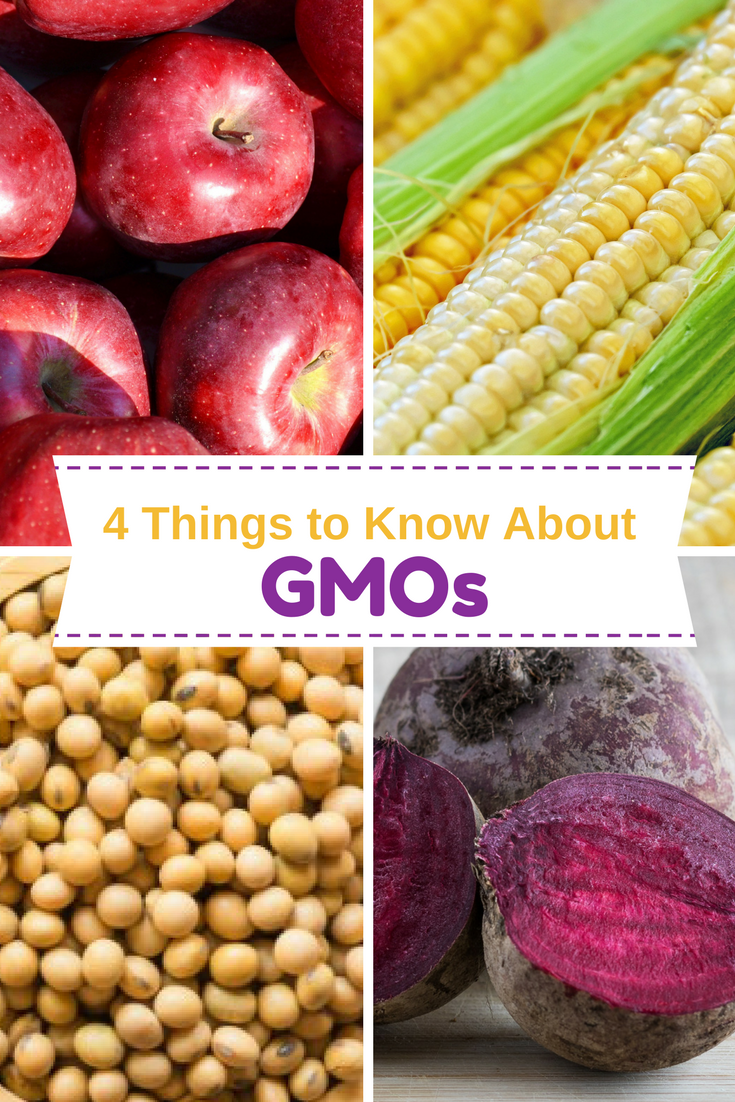
4 Things You Need to Know About GMOs | Kansas Farm Food Connection | Eating Healthy From Farm To ...

GMO Labeling Update: Some Senators Calling for On-Package Text to Disclose the Presence of GM ...

Mandatory labeling of genetically modified foods
Genetically modified foods, Labelling

Did the Maker of SpaghettiOs Just Punk the Anti-GMO Movement? | Big Think
Center for Food Safety | Issues | | Food Irradiation
Post a Comment for "43 genetic engineering on food labels"