43 food labels with additives
Food additives - World Health Organization Jan 31, 2018 · Food additives can be derived from plants, animals, or minerals, or they can be synthetic. They are added intentionally to food to perform certain technological purposes which consumers often take for granted. There are several thousand food additives used, all of which are designed to do a specific job in making food safer or more appealing. WHO, together with FAO, groups food additives into ... What Foods Are Banned in Europe but Not Banned in the U.S.? Dec 28, 2018 · The F.D.A. insists the six artificial flavors “do not pose a risk to public health,” but concedes that the law requires it not approve the food additives. Food companies will have at least two ...
Pet Food Labels - General | FDA Other possible ingredients may include artificial colors, stabilizers, and preservatives. All should be either "Generally Recognized As Safe (GRAS)" or approved food additives for their intended uses.

Food labels with additives
Food and drink additives you should avoid. | CHOICE Colours and cancer. Two long-term feeding studies showed that erythrosine (127) increases the incidence of thyroid tumours in rats. But a review of these and other available data by the Joint Expert Committee on Food Additives (JECFA), which is administered jointly by the Food and Agriculture Organisation of the United Nations and the World Health Organization (WHO), … Additives in Meat and Poultry Products | Food Safety and ... Mar 24, 2015 · The Food Additives Amendment exempted two groups of food additives from FDA's testing and approval process. One is the list of substances known as "generally recognized as safe" (GRAS). This group includes a variety of substances, from commonly used flavorings and spices to phosphates and carrageenan. Food additives | EFSA Aug 11, 2022 · Food additives are substances added intentionally to foodstuffs to perform certain technological functions, for example to colour, or to help preserve foods. ... The most common additives to appear on food labels are antioxidants (to prevent deterioration caused by oxidation), colours, emulsifiers, stabilisers, gelling agents and thickeners ...
Food labels with additives. Overview of Food Ingredients, Additives & Colors | FDA Indirect food additives are those that become part of the food in trace amounts due to its packaging, storage or other handling. For instance, minute amounts of packaging substances may find their ... Food Additives in Japan: Everything You Need to Know Dec 21, 2021 · Food additives in Japan are controlled and standardized by the Ministry of Health, Labor and Welfare (MHLW). The Ministry analyzes and approves food additives to be considered acceptable based on the Food Safety Act (FSA) of 1947, Japan’s predominant lasting food safety and hygiene act. ... Here's a short guide to reading Japanese food labels ... Federal Register :: National Bioengineered Food Disclosure ... Dec 21, 2018 · Section 66.3(a) requires that labels for bioengineered food must bear a BE disclosure consistent with the requirements of part 66. Section 66.3(a)(2) prohibits labels for food that is not bioengineered from bearing a BE disclosure unless the food may bear a voluntary disclosure under § 66.116, based on records maintained under § 66.302. Food additives | Food Standards Agency Different types of food additives. Food additives are grouped by what they do. The additives that you are most likely to come across on food labels are: antioxidants – these stop food becoming rancid or changing colour by reducing the chance of fats combining with oxygen; colours
E number - Wikipedia E numbers ("E" stands for "Europe") are codes for substances used as food additives, including those found naturally in many foods such as vitamin C, for use within the European Union (EU): 27 and European Free Trade Association (EFTA). Commonly found on food labels, their safety assessment and approval are the responsibility of the European Food Safety Authority (EFSA). Food Additives - Canada.ca If the Lists do not allow for a particular use of a food additive, the manufacturer is required to file a food additive submission in accordance with Section B.16.002 of the Food and Drug Regulations before that food additive can be used in foods sold in Canada. The submission must contain detailed information about the additive, its proposed use, the results of safety tests, … Food additives - Canadian Food Inspection Agency Unlike food additives, processing aids are not considered to be ingredients, and are therefore not required to be declared on prepackaged food labels under FDR. Although there are no regulatory requirements for the preclearance of processing aids as there are for food additives, using processing aids is controlled by subsection 4(1) of the Food ... Food Ingredients & Packaging | FDA Apr 21, 2021 · Overview of Food Ingredients, Additives & Colors; Determining the Regulatory Status of a Food Ingredient; Packaging & Food Contact Substances. Access program information, inventories, and ...
Color Additives Questions and Answers for Consumers | FDA Color additives may be used in food to enhance natural colors, add color to colorless and ‘fun’ foods such as cake decorations, and help identify flavors (such as purple for grape flavor or ... Food additives | EFSA Aug 11, 2022 · Food additives are substances added intentionally to foodstuffs to perform certain technological functions, for example to colour, or to help preserve foods. ... The most common additives to appear on food labels are antioxidants (to prevent deterioration caused by oxidation), colours, emulsifiers, stabilisers, gelling agents and thickeners ... Additives in Meat and Poultry Products | Food Safety and ... Mar 24, 2015 · The Food Additives Amendment exempted two groups of food additives from FDA's testing and approval process. One is the list of substances known as "generally recognized as safe" (GRAS). This group includes a variety of substances, from commonly used flavorings and spices to phosphates and carrageenan. Food and drink additives you should avoid. | CHOICE Colours and cancer. Two long-term feeding studies showed that erythrosine (127) increases the incidence of thyroid tumours in rats. But a review of these and other available data by the Joint Expert Committee on Food Additives (JECFA), which is administered jointly by the Food and Agriculture Organisation of the United Nations and the World Health Organization (WHO), …
Food labels | Anakaren's.................Blog
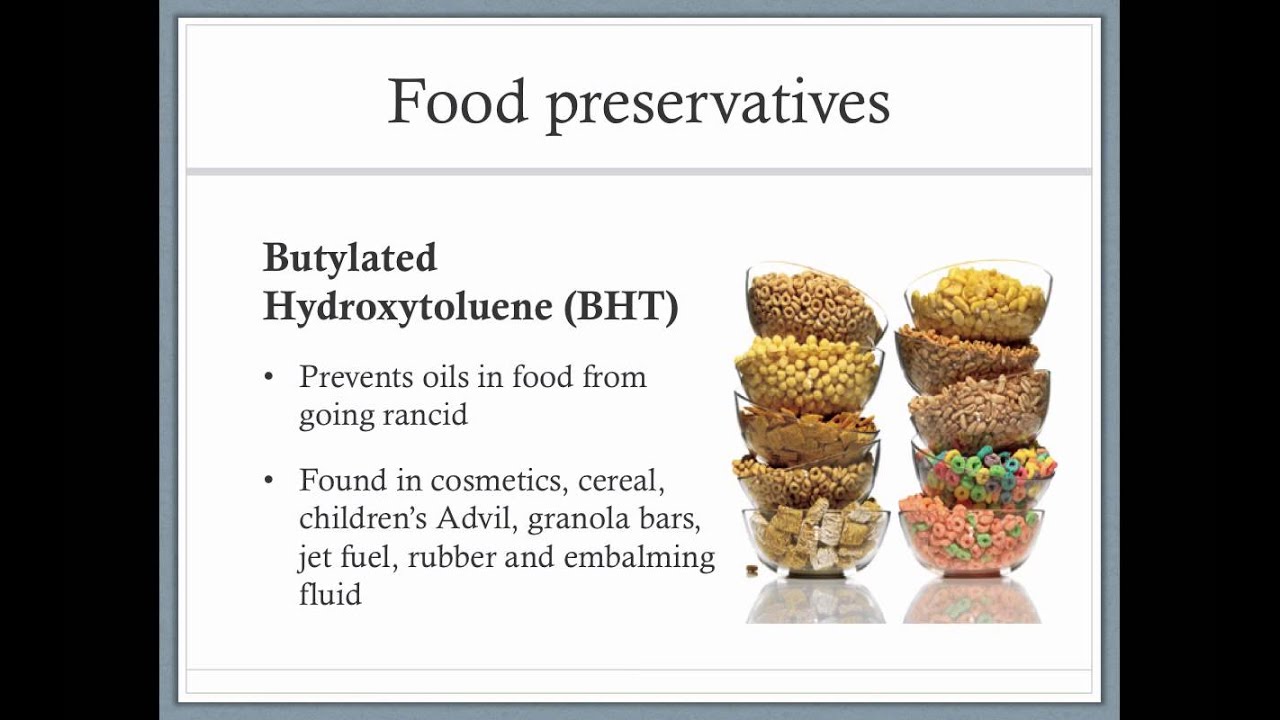
Types of food preservatives - YouTube
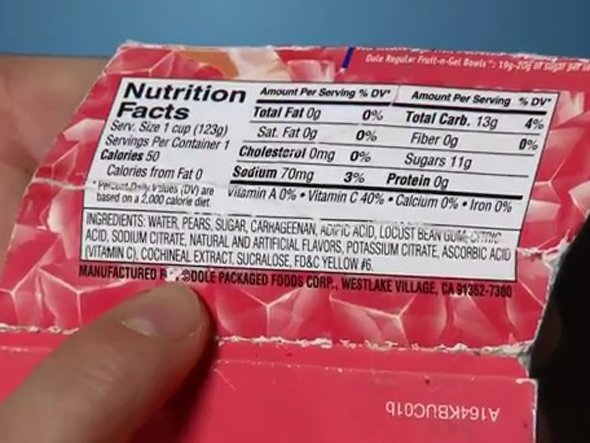
Here's Another Reason To Stop Eating Processed Foods, Especially Anything Red.

Using Food Labels | BioEd Online

How to Read Food Labels

How to Understand food labels - Practical tips and advice

Food Dyes & Additives Proven Unsafe! - Natural Health Blog | Holistic Health Blog
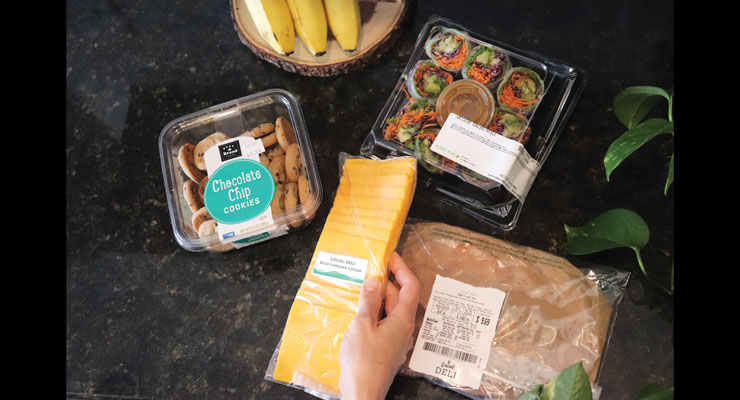
Food Labels - Label and Narrow Web

Understanding Your Food Labels - Healthy Insights - Botanic Choice Blog
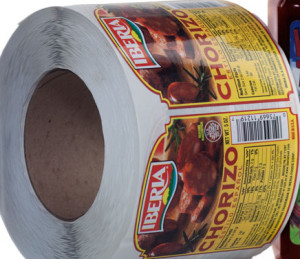
Food label must adhere to food labeling laws on nutrition and ingredients.

Food labels
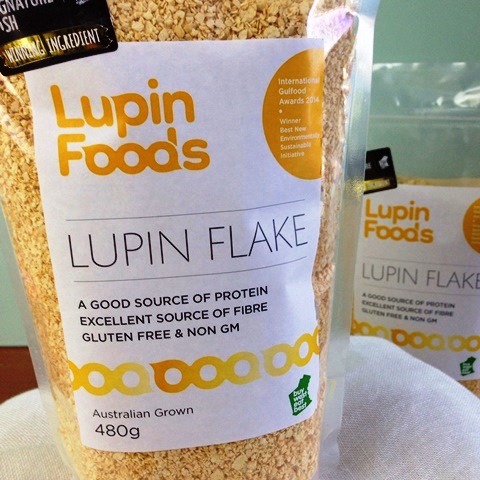
Product Snapshot: Lupin Foods' Lupin Flake - Catherine Saxelby's Foodwatch
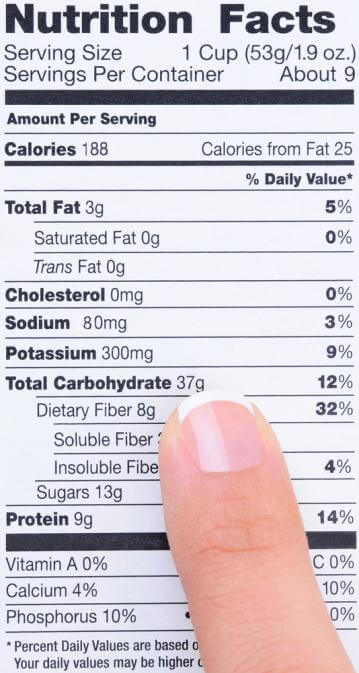
Should Fructose Content Be Listed on Food Labels? | Nutrition Diva

Food Additives to Avoid | Paleo | The JOYful Table

Using Food Labels | BioEd Online
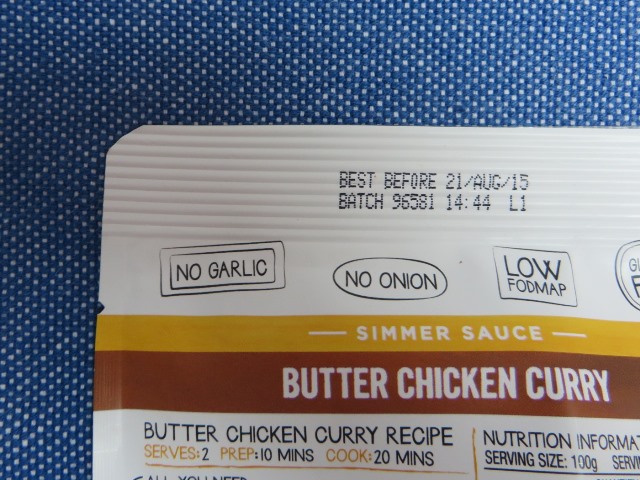
Q. What's the difference between a Use-by and a Best-before date? - Catherine Saxelby's Foodwatch
Post a Comment for "43 food labels with additives"